Will DV-2027 Happen? The Trump Administration Stayed Silent Until the Fight Reached Court
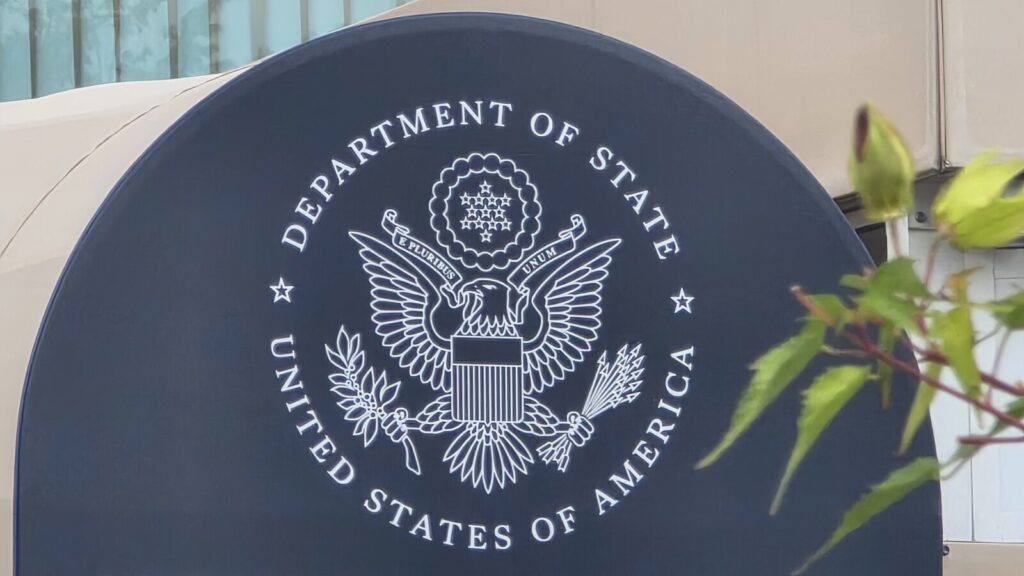
For nearly eleven months, the U.S. Department of State has been unable or unwilling to name an opening date for DV-2027. Last November, the Department promised to announce the registration period “as soon as practicable.” Winter passed. Then spring. Then summer. Registration never opened, the instructions never appeared, and the public still has no serious explanation.
When To USA first reported on the delay in detail on August 29, one month remained in fiscal year 2026. We sent the State Department eight direct questions, filed a Freedom of Information Act request, asked the relevant congressional committees to intervene, and contacted the offices of Senators Patty Murray and Maria Cantwell and Representative Marilyn Strickland. We asked whether DV-2027 would happen, when registration would begin, how the Department intended to comply with the 30-day rule, and whether anyone had decided to cancel or postpone the program again.
The administration did not answer those questions. On September 1, the State Department Press Office sent a generic statement about vetting and its practice of not commenting on pending litigation. It provided no dates, no legal explanation, and no answer to any of the eight questions. Our follow-up was logged as ticket 00492922 and then met with more silence. The congressional committees and all three elected officials have provided no substantive response. The FOIA process has produced only automated administrative notices.
A government can ignore a small independent publication. It can hide behind automated messages and carefully empty language. The calendar is harder to hide. Today is September 23. One week remains in the fiscal year, and a full 30-day registration period can no longer fit inside it.
This article reflects the record as of September 23, 2026. The preliminary-injunction hearing is scheduled for September 24 at 9:30 a.m. Pacific Time.
The rule is written in plain language
The green card lottery does not exist at the pleasure of a president. Congress established its annual framework in section 203(c) of the Immigration and Nationality Act. Another provision directs the Secretary of State to designate an entry period, while 22 C.F.R. § 42.33(b)(4) is more specific: the Department is to establish an electronic entry period of at least 30 days in each fiscal year for visas to be issued in the following fiscal year.
The fiscal year ends September 30. Full compliance within FY2026 is now impossible. The government may dispute what relief remains available after that date and whether this particular plaintiff has standing to seek it. It may advance a different reading of the relationship between the year of registration and the year of visa issuance. Time does not participate in legal argument. Thirty days will not fit into the week that remains.
Donald Trump has opposed the Diversity Visa program for years. His administration has a lawful path if it wants the program gone: persuade Congress to repeal it. The State Department can also undertake a lawful rulemaking if it believes its regulation no longer works. What should not be available is the course we are watching now, in which the law remains on the books while its execution dissolves into administrative silence.
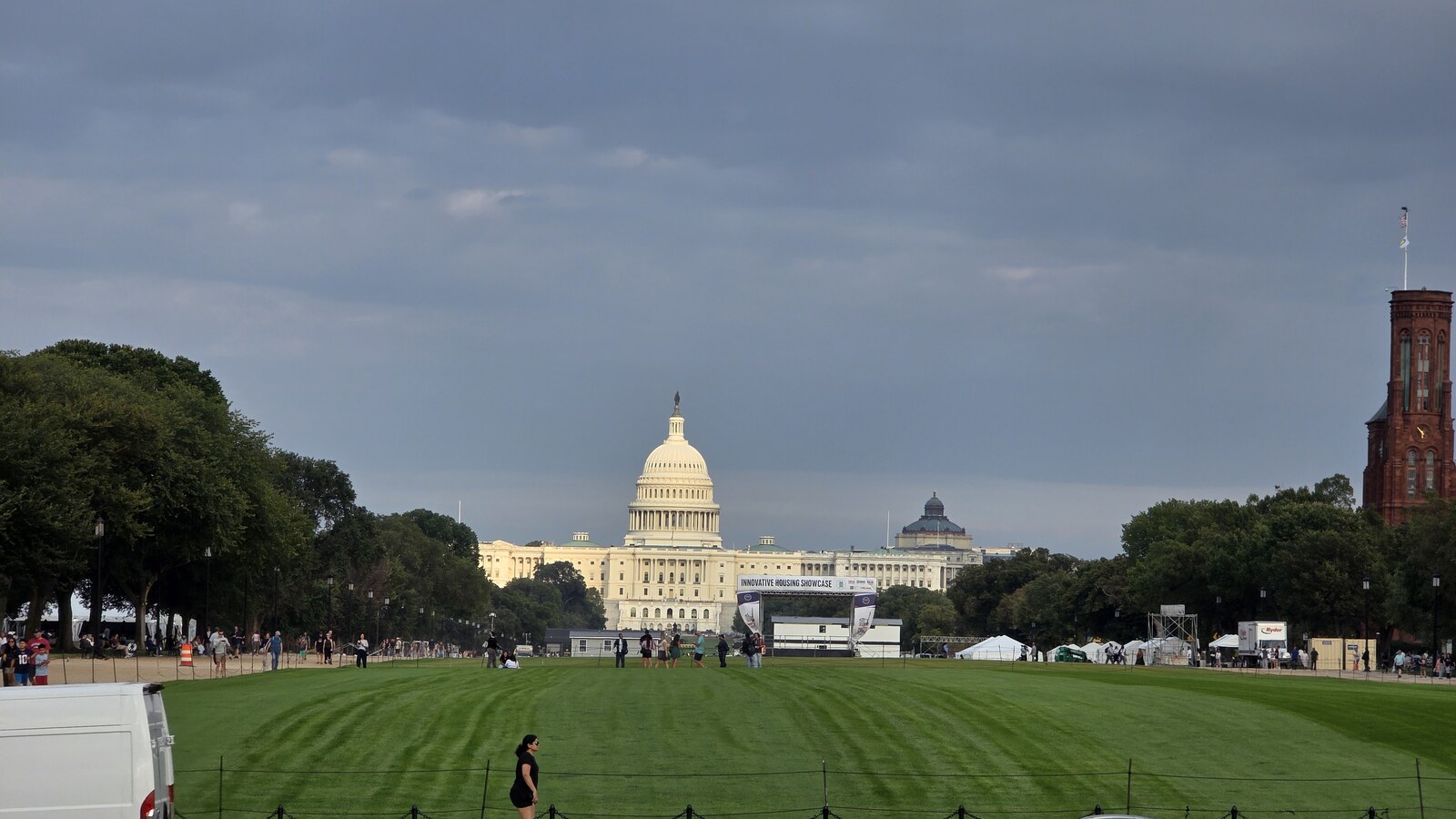
A president cannot repeal a law through silence
Article II of the Constitution requires the President to take care that the laws be faithfully executed. The sentence is short, but it marks a boundary. The President leads the executive branch. He does not receive an invisible eraser with which to remove disfavored programs from the U.S. Code.
No court has ruled that the DV-2027 delay itself violates the Constitution. I am not presenting an editorial judgment as a judicial holding. The constitutional question is nevertheless real: may an administration freeze a program enacted by Congress without securing its repeal, openly amending the governing rule, or even identifying the official who made the decision? In my view, this conduct shows contempt for the basic duty of faithful execution.
Ignoring press inquiries does not usually create a separate constitutional claim. It reveals something about accountability. Officials do not appear to believe they owe the public an explanation even when a statutory program disappears in practice. We asked ordinary questions. We did not request classified intelligence. The Department replied that the administration cares about vetting, as though invoking “security” relieved it of deadlines, rules, explanations, and consequences.
“The Trump Administration is protecting the American people by upholding the highest standards of screening and vetting of visa applicants. As a general matter, we do not comment on pending or ongoing litigation.”
State Department Press Office response, September 1. No lawsuit existed when To USA sent its initial questions, most of which concerned the Department’s own dates and legal obligations rather than litigation.
Who is actually trying to force an answer?
The vacuum was not filled by Congress or a national civil-rights organization. A small private immigration firm in California, Red Eagle Law, L.C., sued Secretary of State Marco Rubio and asked a federal court to compel the State Department to establish a DV-2027 registration period.

On September 3, Judge Jinsook Ohta declined to issue an immediate temporary restraining order. She did not rule that the State Department’s conduct was lawful, and she did not declare DV-2027 canceled. The judge concluded that the firm had not yet established its right to bring this claim and did not see urgency specific to a 14-day TRO after many months of delay. The case remained alive, and Red Eagle was permitted to build a fuller record and seek a preliminary injunction.
The firm returned with numbers. According to declarations filed with the court, DV-related work generated at least 7% of its revenue in 2023, 8% in 2024, and more than 7% in 2025. In 2026, Red Eagle represented more than 1,450 DV selectees and derivative family members in litigation. Services for DV-2026 selectees accounted for 29% of the firm’s gross revenue as of September 6. That evidence describes a real economic injury, although it does not end the harder legal debate over whether the relevant statutes protect the interests of a law firm.
Red Eagle filed an emergency preliminary-injunction motion on September 7, asking the court to require the Secretary to designate an entry period of at least 30 days immediately. The government opposed the motion. On September 22, the firm sought permission to file a late reply. Those filings matter, but they should not obscure the absurdity at the center of the case. Much of the government’s energy has gone into arguing that this plaintiff cannot demand compliance. The public still has not heard a convincing explanation for the failure to comply.
So, will DV-2027 happen?
The most honest answer on September 23 is that DV-2027 can still happen, but the administration has guaranteed nothing.
The program has not been formally canceled. Congress has not removed it from the law. The State Department has published no decision canceling registration and continues to say that it will announce the dates “as soon as practicable.” It still states that the visa-application period for people selected in DV-2027 will run from October 1, 2026, through September 30, 2027.
The absence of a formal cancellation does not create a functioning lottery. There are no dates, no instructions, no open entry form, and no court order. A program exists in federal law; a blank space exists where registration should be. The precise conclusion is uncomfortable: DV-2027 remains legally alive, while the administration has pushed it to the edge of practical collapse.
Three paths remain:
- The State Department announces dates on its own, perhaps immediately before or after the hearing.
- The court issues a preliminary injunction requiring the government to take specific action.
- The court denies relief, the delay crosses September 30, and the dispute enters a much more difficult phase.
September 30 matters enormously, but midnight will not make DV-2027 vanish by magic. Red Eagle’s motion acknowledges a difficult problem: if a court-ordered entry period extends into FY2027, the statutory wording may connect that period to visas in the next fiscal year instead. The firm asks the court to order registration first and address the annual allocation separately. No one knows whether that approach will succeed. Judicial rescue may become substantially harder after September 30; it is still premature to declare it categorically impossible.
The next problem already has a name: DV-2028
While the public waits for DV-2027, the next lottery is approaching on the calendar. In ordinary years, registration begins in October and closes in early November. That is how DV-2025 and DV-2026 operated. Fall 2026 has arrived, yet the Department has not completed the previous entry cycle and has said nothing about DV-2028.
The two programs are legally distinct annual cycles. A failure involving DV-2027 does not automatically cancel DV-2028. In practical terms, however, a question that once would have sounded absurd is now unavoidable: does the administration intend to conduct the next lottery while the previous one has never opened? If one cycle can be sent into administrative oblivion without congressional action or a public explanation, why should the next one feel secure?
To USA will send a separate inquiry about DV-2028. Another promise to announce details later will no longer be enough. After DV-2027, the public needs dates, a legal position, and a direct answer about whether the administration intends to carry out the annual system Congress left in force.
Will this help Trump and Republicans in the midterms?
DV-2027 itself is unlikely to decide a congressional election. Most prospective entrants live abroad and do not vote in the United States. The most loyal segment of the Republican base may welcome almost any immigration restriction, including one directed at a lawful program. The national picture is less favorable to the White House. A September Reuters/Ipsos poll found 36% approval and 55% disapproval of Trump’s handling of immigration, while Democrats led Republicans by eight points on the generic congressional ballot.
Those numbers were not caused by DV-2027, and this single controversy is too small to support that claim. It does give the administration’s opponents a clean example. Republicans demand obedience to the law from immigrants while allowing the executive branch to treat federal law as optional guidance. They campaign against unlawful immigration while a congressionally created avenue for lawful immigration is allowed to disappear.
For naturalized citizens, immigrant families, and independents concerned about the rule of law, this episode can become part of a larger picture. The administration has gone beyond aggressive border enforcement. It is narrowing legal pathways, disregarding procedure, and testing whether anyone will notice when another program stops functioning. That posture may energize the most committed base. Outside it, the same posture increasingly resembles arbitrary power.
The court may not end the story, but the question is already before us
The September 24 hearing may produce a ruling from the bench, a written order days later, or another request for briefing. The judge may never reach the State Department’s conduct if she concludes that Red Eagle lacks standing. The government could then win a procedural round without answering the public’s central question.
I am an immigrant, and I have worked with immigration documents for years. The word “lottery” makes it easy to miss the people behind it. Someone is studying English, saving money, finishing a degree, arguing with relatives, and returning to an official government website year after year for one lawful chance that does not require a sponsoring employer or an immediate relative in the United States. The government may vet those people. It may lawfully revise procedures. It should not leave millions of them suspended in uncertainty while pretending that the calendar, a federal regulation, and questions from the public do not exist.
DV-2027 has not been canceled. The administration has instead reduced it to a state in which the formal life of the law is close to losing all practical meaning. A federal court must now decide whether this plaintiff can force the government to act. The country faces a larger question: is federal law still binding on the executive branch, or does it operate only when the administration finds it convenient?
To USA will review the docket after the hearing and report the result separately.
This article contains general information, editorial opinion, and journalistic analysis. It is not legal advice.