Ukraine Independence Day: 35 Years of Freedom That Cannot Be Erased
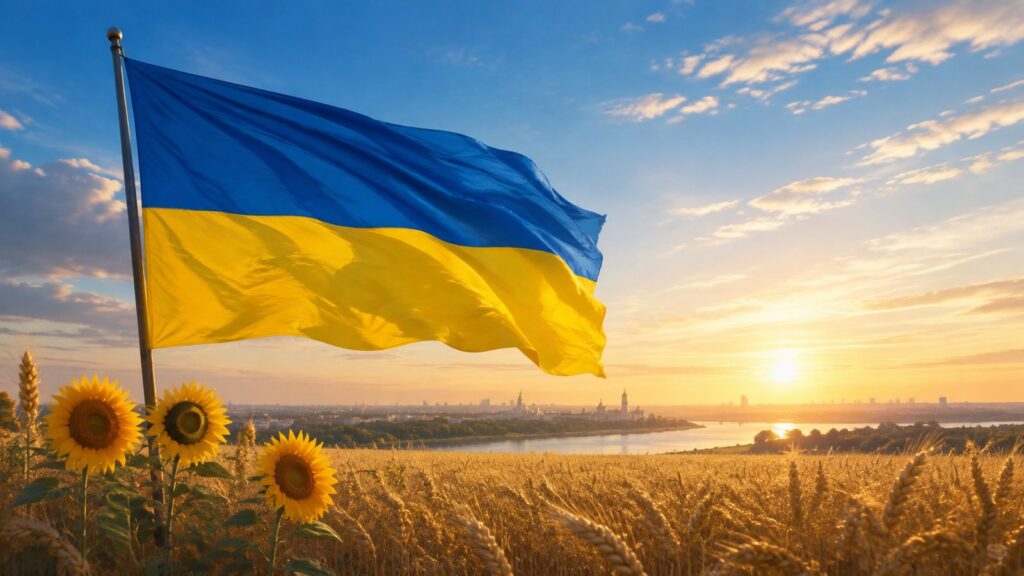
On August 24, Ukraine marks the 35th anniversary of the restoration of its independence — a celebration of freedom, dignity, and the right of a people to determine its own future.
On August 24, 2026, Ukraine marks 35 years since the restoration of its independence. In peacetime, the day might be associated first with blue-and-yellow flags, family gatherings, concerts, and festive streets. War has changed the meaning of the holiday. Today, for millions of Ukrainians, independence is not merely a legal status or a date on the calendar. It is the right to live on their own land, speak their own language, preserve their culture, choose their government, and decide for themselves what their country’s future will be.
And yet Ukraine Independence Day remains a celebration. Not because the losses, fear, and daily struggle can be forgotten, but because Ukraine exists, resists, and continues to choose freedom. Today is also a day to thank the people who make that independence possible: soldiers and first responders, doctors and volunteers, teachers and energy workers, diplomats and journalists, the families of defenders, and everyone who keeps Ukrainian life going both at home and abroad.
August 24, 1991: the decision that changed history
On August 24, 1991, during an extraordinary session, the Verkhovna Rada of the Ukrainian SSR adopted the Act of Declaration of Independence of Ukraine. The historic act received 346 votes in favor and only one against; three deputies abstained and twelve did not vote. The Act declared Ukraine an independent democratic state and established that only the Constitution and laws of Ukraine would have force on its territory.
Independence did not remain merely a parliamentary decision. On December 1, 1991, citizens confirmed it in a nationwide referendum. With turnout at 84.18%, 28,804,071 people — 90.32% of those who voted — supported the Act. A majority backed independence in every region of the country, including Crimea and the Donetsk and Luhansk regions. That result matters especially today: modern Ukraine did not emerge against the will of its citizens or as an accidental gift of the Soviet Union’s collapse. It was a deliberate and democratically confirmed choice of the people.
In February 1992, the Verkhovna Rada officially established August 24 as the national holiday known as Ukraine Independence Day.
Independence did not begin in 1991
1991 began the modern chapter of Ukrainian statehood, but it did not begin Ukraine’s long pursuit of self-government. It was preceded by centuries of state-building traditions, Cossack political institutions, the Ukrainian People’s Republic, which declared independence in 1918, and decades of resistance to Soviet totalitarianism and efforts to preserve the Ukrainian language, culture, and historical memory.
An important step came on July 16, 1990, when the Declaration of State Sovereignty of Ukraine was adopted. That is why Ukrainian state institutions often describe the events of August 1991 not only as a declaration but as a restoration of independence. Freedom did not appear in a single day. Generations of people moved toward it, and for many of them an independent state was a dream, a goal, and sometimes a cause for which they paid the highest price.
Ukraine Independence Day during wartime
Ukraine marks its 35th Independence Day on the 1,643rd day of Russia’s full-scale invasion. Russian aggression against Ukraine began in 2014 with the occupation of Crimea and the war in the Donbas, and on February 24, 2022, it escalated into a full-scale war.
This war is not only about cities, borders, or territory. It is also about Ukraine’s right to exist as a distinct political nation — with its own history, culture, languages, institutions, and freely chosen direction of development. That is why Ukrainian resistance matters far beyond the country itself. It reminds the world of a basic principle: no state has the right to erase another people’s freedom by force.
The greatest achievement of independent Ukraine is its people: those who take responsibility; those who defend the country at the front; those who evacuate the wounded; those who restore electricity after attacks; those who keep teaching children; those who support displaced families; and those who preserve Ukrainian culture in Kyiv, Kharkiv, Odesa, Mariupol, Crimea, Seattle, Warsaw, Toronto, and hundreds of other cities. A state remains alive as long as its people recognize it as their own and are willing to care for it.
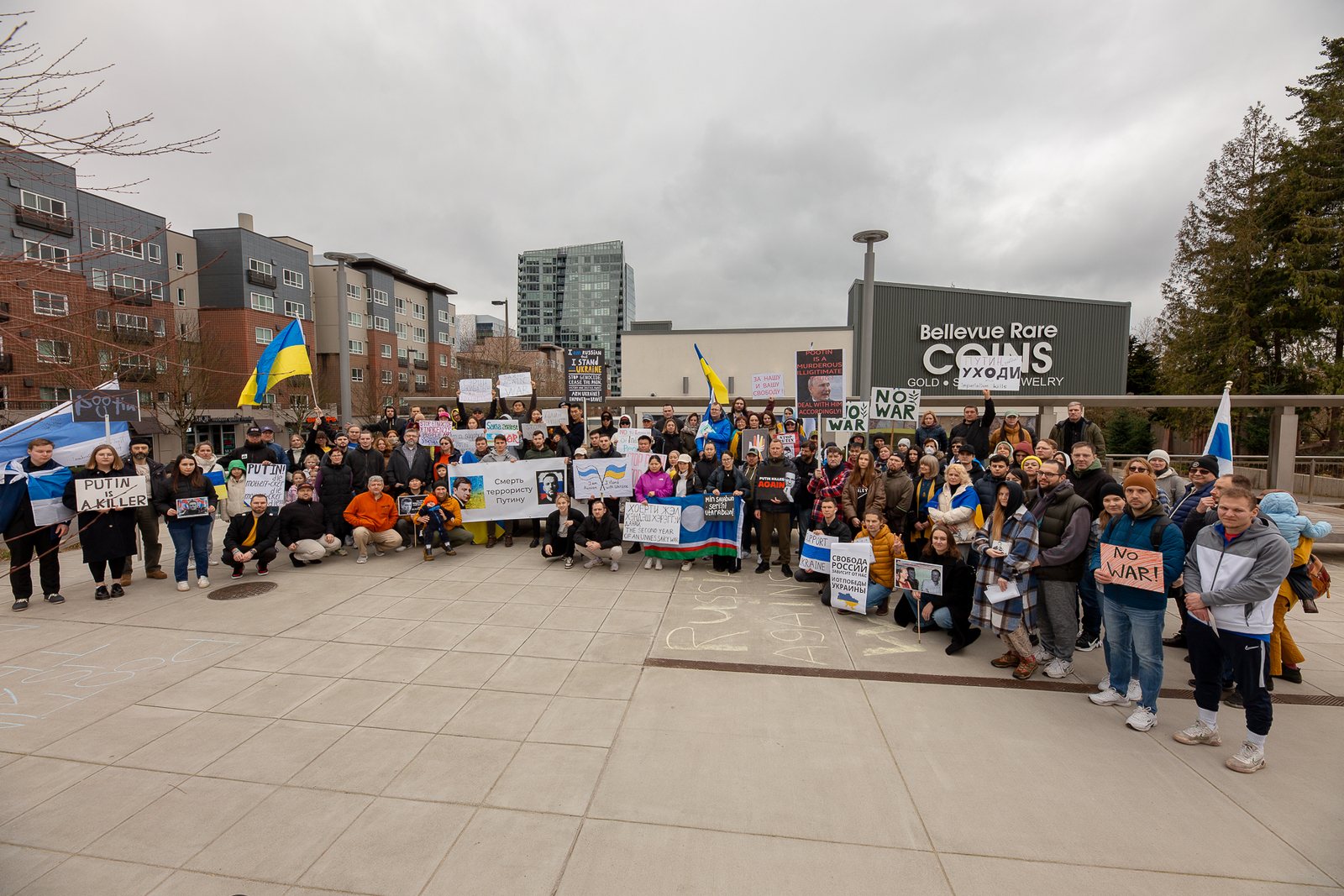
A celebration that unites Ukrainians around the world
Years of war have forced millions of Ukrainians far from home. For them, Independence Day can be both joyful and painful: pride exists alongside homesickness, concern for loved ones, and the hope of returning. Ukrainian communities around the world have shown that distance does not erase belonging. They raise aid, support newly arrived refugees, preserve language and traditions, tell local communities the truth about the war, and remind political leaders why support for Ukraine still matters.
People do not need a Ukrainian passport or Ukrainian ancestry to support Ukraine. Support is a choice: refusing to become numb to the war; checking information carefully; helping trusted organizations; supporting Ukrainians nearby; speaking about prisoners of war, abducted children, and detained civilians; and defending Ukraine’s right to a just and lasting peace.
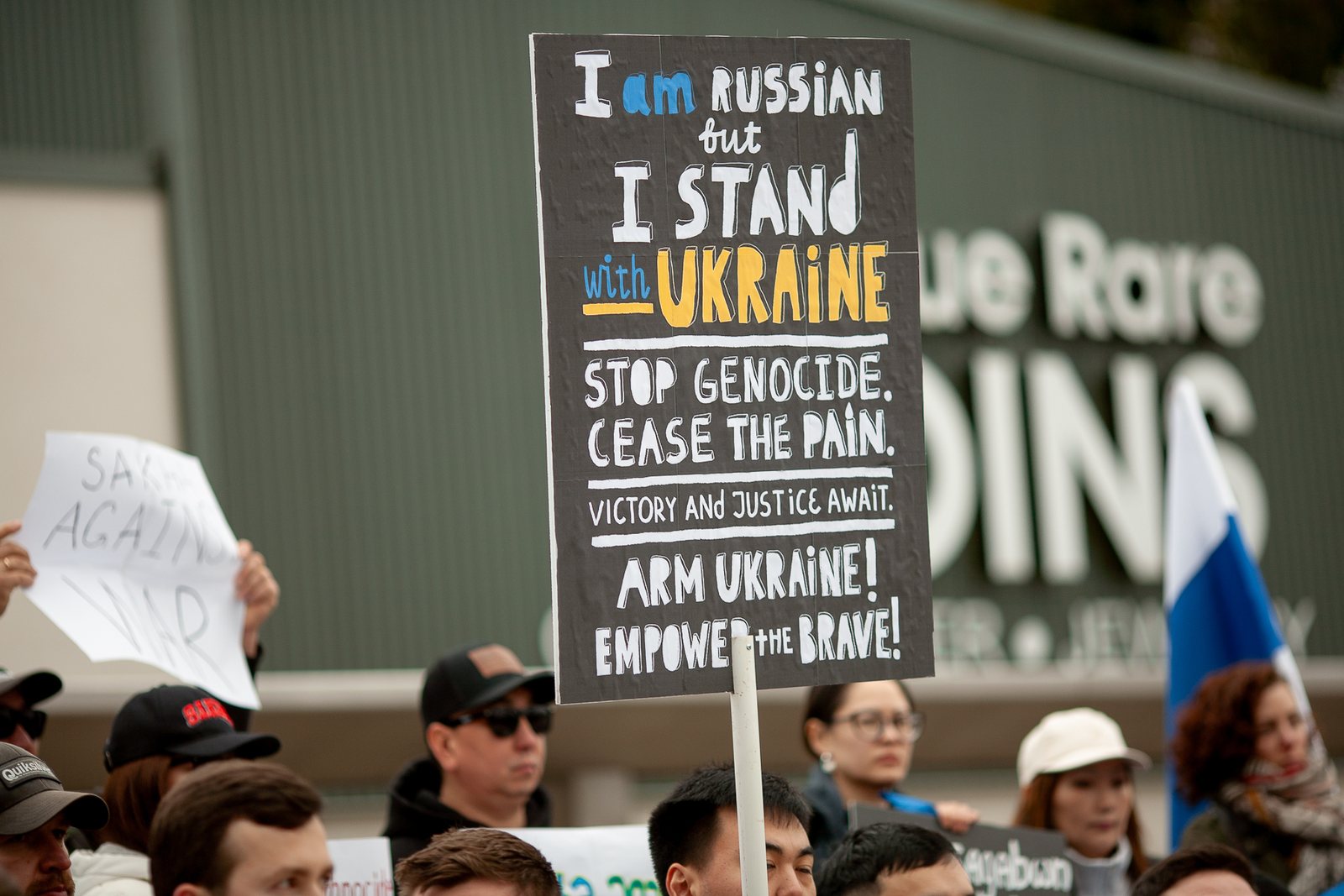
Why this day is personal to me
For me, supporting Ukraine is not an abstract political position. My husband is a Ukrainian citizen, so Ukraine has become part of my family’s story. I was born and raised in Russia, and that is exactly why I believe it is important to say this plainly: the Russian authorities launched this war, and Ukraine has an unconditional right to be free, to defend its people, and to determine its own future.
I support Ukraine not because I idealize any state. Free countries can and should debate their mistakes, argue about politics, and demand more from those in power. But those debates are possible only where freedom itself survives. Independence gives a society the right to change its country with its own hands — without orders from Moscow, without occupation, and without fear of being destroyed for its identity.
Happy Independence Day, Ukraine
Today I want to wish Ukraine not merely an end to the war, but a just and lasting peace; the return of prisoners, abducted children, and everyone waiting for the chance to embrace their loved ones again; the rebuilding of cities and homes; safety for those who remain; and a road home for those who were forced to leave.
May the blue-and-yellow flag fly freely across all of Ukraine. May children grow up without air-raid sirens and shelters. May people once again make plans not from one alarm to the next, but for years ahead. And may the world not grow tired of supporting a people defending their right to be themselves.
Happy Independence Day, Ukraine. Strength, freedom, victory, and peace.
Slava Ukraini! 🇺🇦
Related on To USA: “A Year of War” (in Russian) — my earlier reflection published one year after the full-scale invasion began.
Sources
- Act of Declaration of Independence of Ukraine, August 24, 1991
- Verkhovna Rada: voting results from August 24, 1991
- Ukrainian Institute of National Memory: the nationwide referendum of December 1, 1991
- Ukrainian Institute of National Memory: materials for Ukraine Independence Day
- Verkhovna Rada resolution establishing Ukraine Independence Day, February 20, 1992
- President of Ukraine: Constitution Day address, June 28, 2026 — identifying August 24, 2026 as the 35th anniversary of the restoration of independence.