Jury Trials in the United States: How Democracy Works in the Courtroom
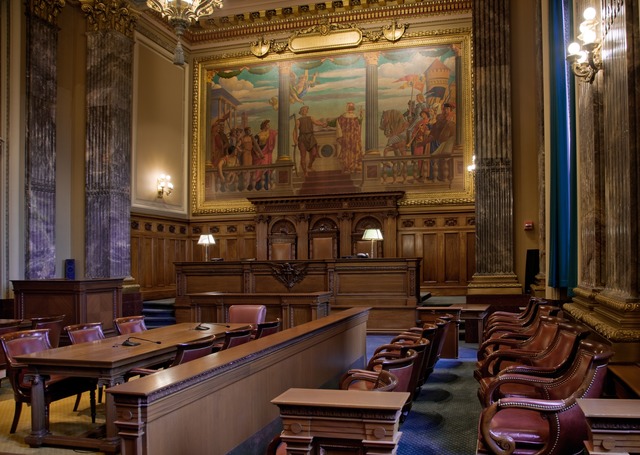
A jury trial is one of the defining elements of the American judicial system. It reflects the idea that decisions about a person’s rights, responsibility, and liberty should involve not only the government but also the community.
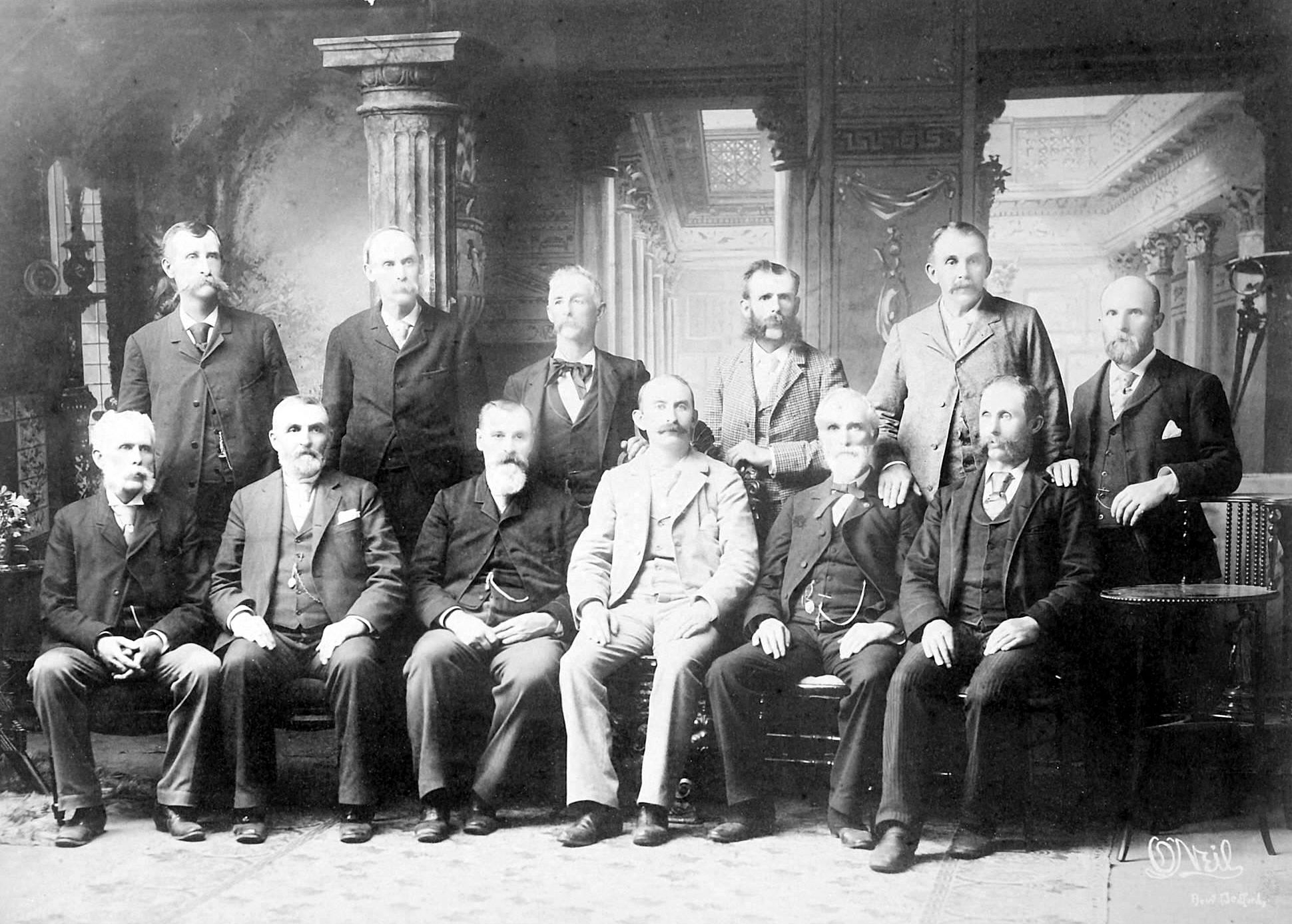
Jurors are ordinary citizens who are not expected to have legal training. They evaluate the evidence admitted in court, determine the facts, and return a verdict under the judge’s legal instructions. Questions of law and, in most cases, sentencing remain with the professional judge.
Serving as a juror is called jury service or jury duty. It is both a civic obligation and a direct form of participation in government. The jury limits the concentration of power in judges and prosecutors and helps maintain public confidence in the courts.
High-profile trials regularly lead Americans to debate the strengths and weaknesses of the system. One of the best-known examples is the criminal trial of O.J. Simpson. In 1995, a jury acquitted the former athlete of murdering Nicole Brown Simpson and Ronald Goldman. A different jury later found Simpson liable for their deaths in a civil case. Among the reasons for the different outcomes were the different burdens of proof: beyond a reasonable doubt in the criminal case and a lower standard in the civil case.
The History of Jury Trials in the United States
The American jury developed from the English legal tradition. Early forms appeared during the reign of Henry II in the twelfth century, when groups of local residents reported what they knew about crimes and disputes to royal judges. Over time, the jury’s role changed: jurors came to decide cases from evidence admitted in court rather than from their personal knowledge.
The tradition crossed the Atlantic with English colonists. In colonial America, jury trials became not only a way to decide cases but also a means of resisting government power. Restrictions on trial by jury were among the colonists’ grievances against the British Crown.
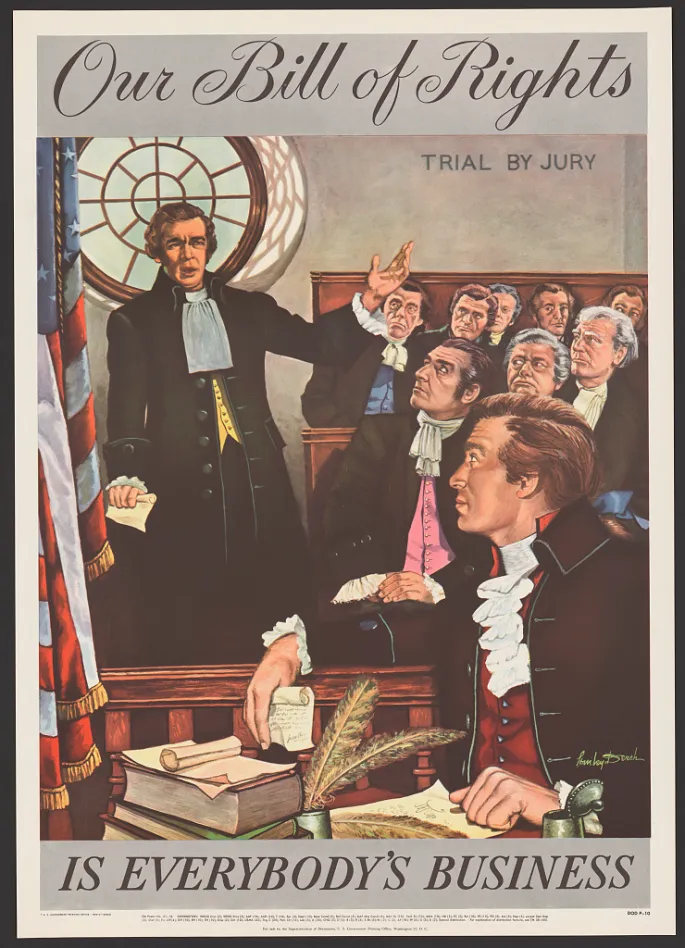
After independence, the jury was secured in the Constitution and the Bill of Rights. It became part of the American model of divided power: the government may accuse a person, but in cases covered by the jury right, it must persuade independent citizens.
The Constitutional Foundation
Article III of the Constitution provides for jury trials in federal criminal cases, except impeachment. The Sixth Amendment guarantees a criminal defendant a speedy and public trial before an impartial jury, notice of the accusation, confrontation of adverse witnesses, compulsory process for defense witnesses, and the assistance of counsel.
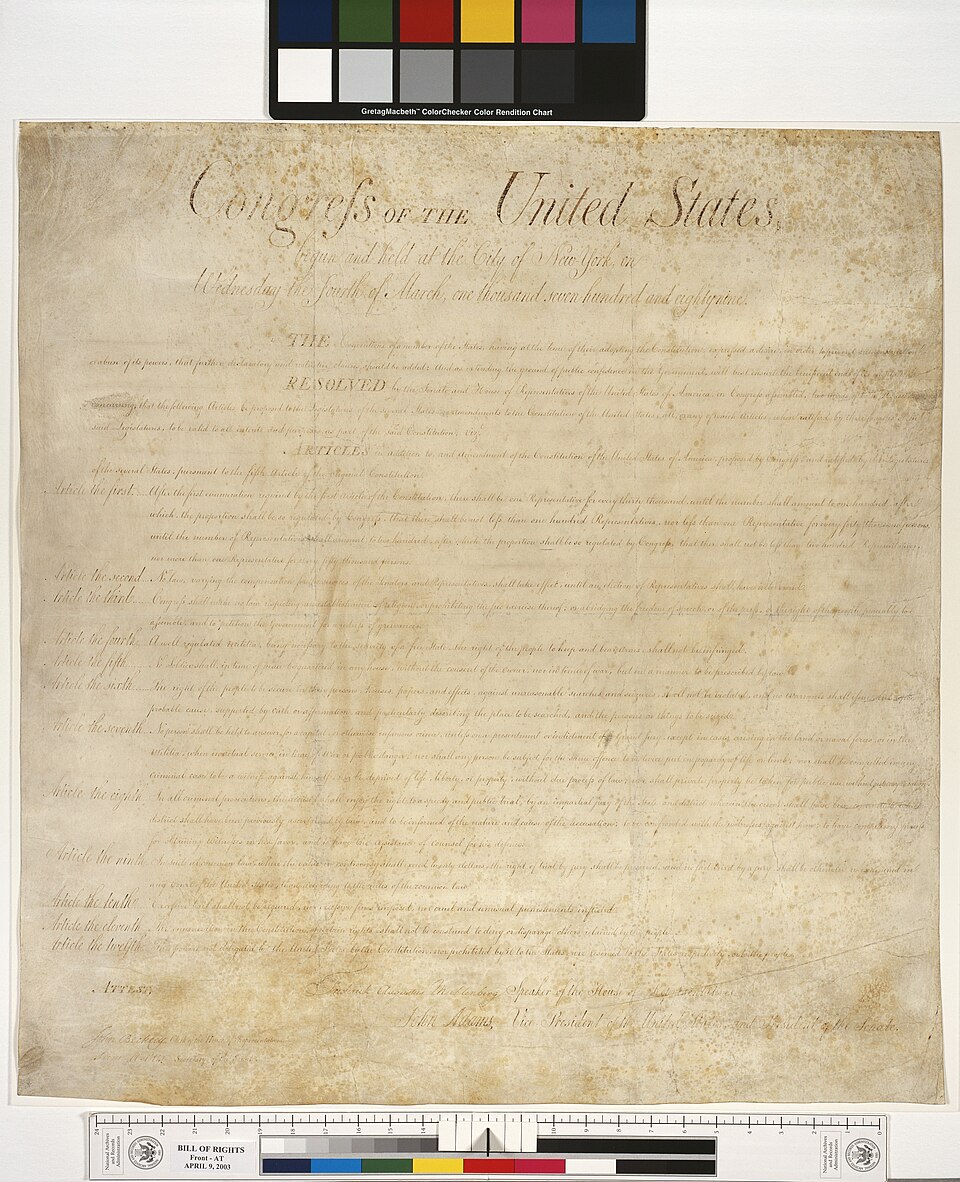
The Seventh Amendment preserves a civil jury right in certain federal common-law cases. Unlike most protections in the Bill of Rights, the Supreme Court has not incorporated this provision against the states through the Fourteenth Amendment. State civil-jury rules therefore depend on each state’s constitution and laws.
A guilty verdict for a serious criminal offense must be unanimous. After the Supreme Court’s decision in Ramos v. Louisiana, that requirement applies in state courts as well. Civil rules vary. A federal civil jury, for example, must return a unanimous verdict unless the parties stipulate otherwise, while some states allow a qualified majority.
How Jurors Are Selected
Prospective jurors are randomly selected from lists identified by the law of the relevant jurisdiction. Those sources may include voter rolls, driver’s-license and identification-card records, and other government databases. The purpose is to create a sufficiently broad and representative pool.
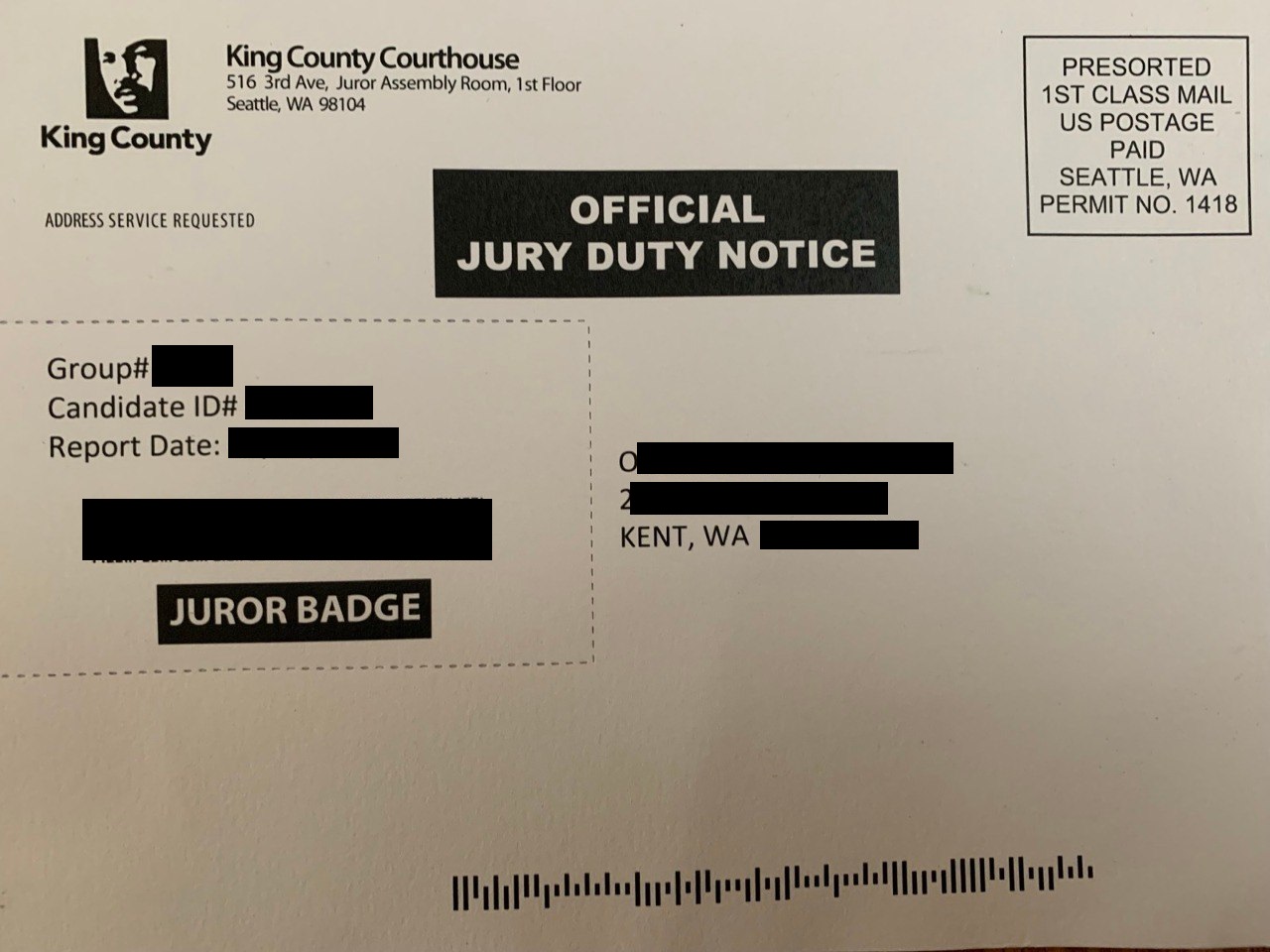
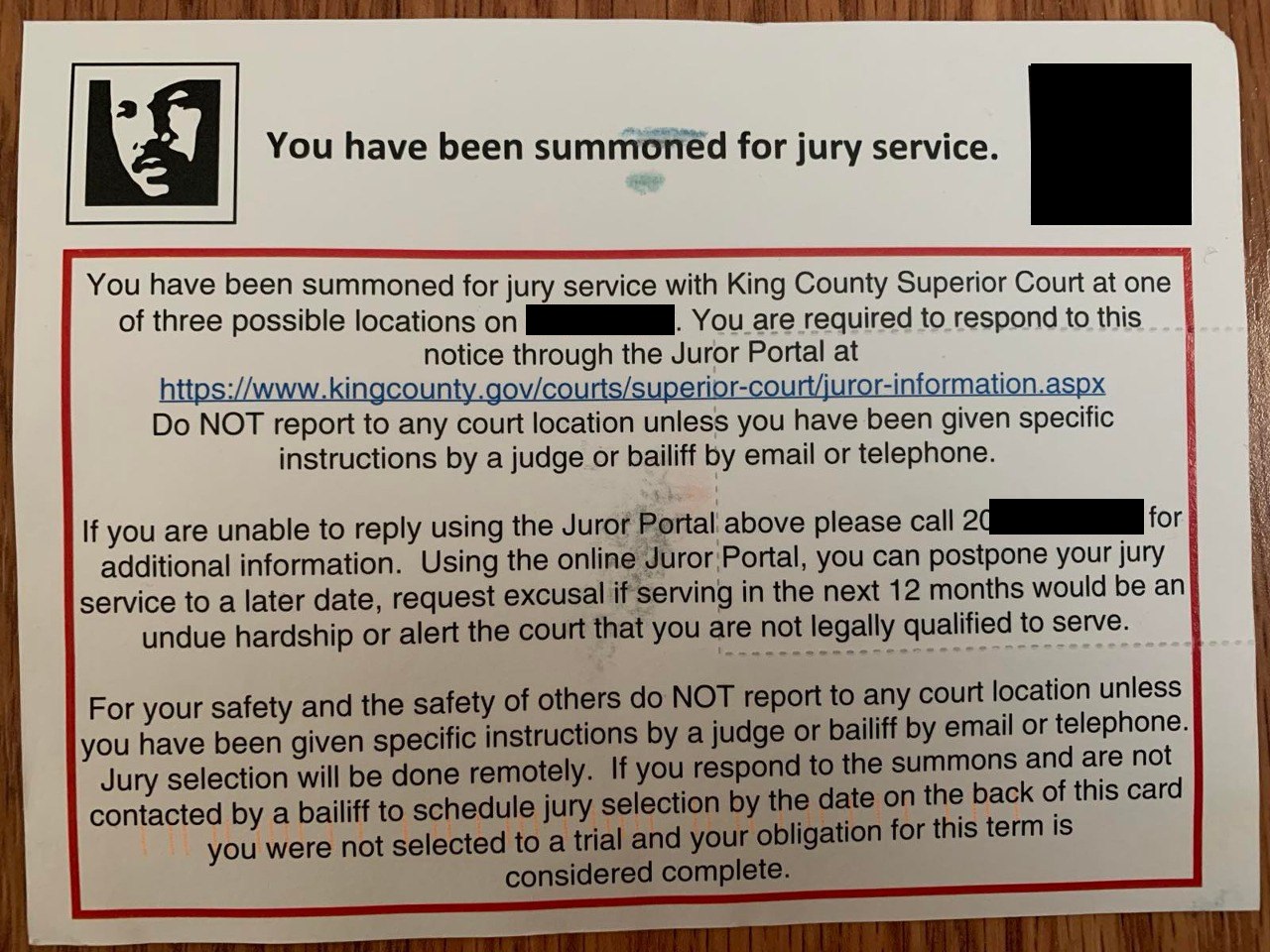
A jury summons provides the date, location, and procedure for reporting or registering. Depending on local law, a person may request a postponement or excusal because of health, serious family obligations, undue hardship, or another legally recognized reason. Ignoring a summons can result in penalties.
The people who report form a pool of prospective jurors. The court then conducts voir dire, a questioning process in which the judge and attorneys determine whether a prospective juror can consider the case impartially.
The parties may use two principal kinds of challenges:
- Challenge for cause. A prospective juror may be removed if the person cannot be impartial, has a relevant connection to the case, or another recognized ground exists. The number of cause challenges is generally not limited, but the judge must accept the stated basis.
- Peremptory challenge. Each side may remove a limited number of prospective jurors without making the ordinary showing required for cause. Peremptory challenges, however, may not be used for prohibited discrimination, including discrimination based on race or sex.
The Responsibilities of Jurors
During the trial, jurors must listen carefully to witnesses, review admitted evidence, and follow the judge’s legal instructions. They may not independently investigate the case by searching online, reading media coverage, visiting a location without authorization, conducting experiments, or discussing the case with outsiders.
After the evidence closes, the judge explains the applicable law and the jury deliberates in private. Confidential deliberations allow jurors to exchange views freely and protect them from outside pressure. Former jurors are often allowed to discuss their experience after the trial, but courts rarely examine the substance of deliberations and generally will not set aside a verdict because of ordinary internal disagreements. Narrow exceptions exist, including certain outside influences and clear statements of racial bias.
In a criminal case, jurors apply the beyond a reasonable doubt standard. If they cannot reach the required unanimity, the judge may declare a hung jury and end the trial without a verdict—a mistrial. The prosecution is ordinarily allowed to try the case again.
The Practical Side of Jury Duty
Jury service may last from a single day to weeks or even months and can disrupt a person’s work and family schedule. Jurors receive modest compensation set by law; the amount, the first paid day, and reimbursement of transportation expenses vary by jurisdiction. Federal and local laws also protect workers from dismissal or retaliation for jury service, although rules on continued salary differ.
Despite the inconvenience, jury duty gives citizens a rare opportunity to participate directly in the application of law. For many people, it is the only time they exercise judicial power—not as a party or an observer, but as someone whose vote can determine the outcome.
Arguments For and Against Jury Trials
Arguments in Favor
Community participation. Decisions are made by citizens, not exclusively by members of the professional judicial system. This makes justice part of the democratic process.
Protection against government power. A prosecutor cannot obtain a criminal punishment merely by persuading a judge. In a serious criminal case, the government must secure the unanimous agreement of an independent jury.
Diverse experience. Multiple people may notice different details and test one another’s reasoning. Group deliberation can correct an individual mistake or bias.
Public legitimacy. A verdict by fellow citizens may be perceived as more understandable and legitimate, especially when a case requires an evaluation of human conduct as well as technical legal rules.
Arguments Against
Lack of specialized knowledge. Complex financial, scientific, technical, or medical evidence may be difficult for people without relevant training.
Emotion and bias. Jurors remain human. They may be affected by a defendant’s appearance, social stereotypes, the severity of the consequences, emotional photographs, or public opinion.
Courtroom advocacy. A charismatic attorney or compelling witness may sometimes have more influence than dry but more reliable evidence.
Inconsistency and deadlock. Different juries may evaluate similar facts differently. Unanimity protects the minority, but it also allows a single juror to prevent a verdict and force the parties to face another trial.
Why the System Endures
A jury does not guarantee a perfect decision. Neither can a professional judge. The American system instead distributes power: citizens decide facts in cases covered by the jury right, the judge explains the law, and the prosecution carries a heavy burden of proof.
The jury’s strength and weakness come from the same source—human participation. Life experience helps jurors understand people, but experience may also become prejudice. Group deliberation can correct errors, but it can end in irreconcilable disagreement. Independence from the government protects the accused, but it also makes outcomes less predictable.
That is why the jury remains more than a courtroom procedure. It is a continually tested civic agreement. It demands time, attention, and a willingness to listen from ordinary people. In return, the public retains a direct role in decisions that can alter or define a human life.
Jury service is more than an obligation. It is a citizen’s participation in protecting democracy, equality, and the right to a fair trial.
First published by Kevin Duke on DukeDocument on December 5, 2024. Transferred to To USA and updated with a review of the legal terminology in September 2026.