Dolly Parton: How She Became Part of America
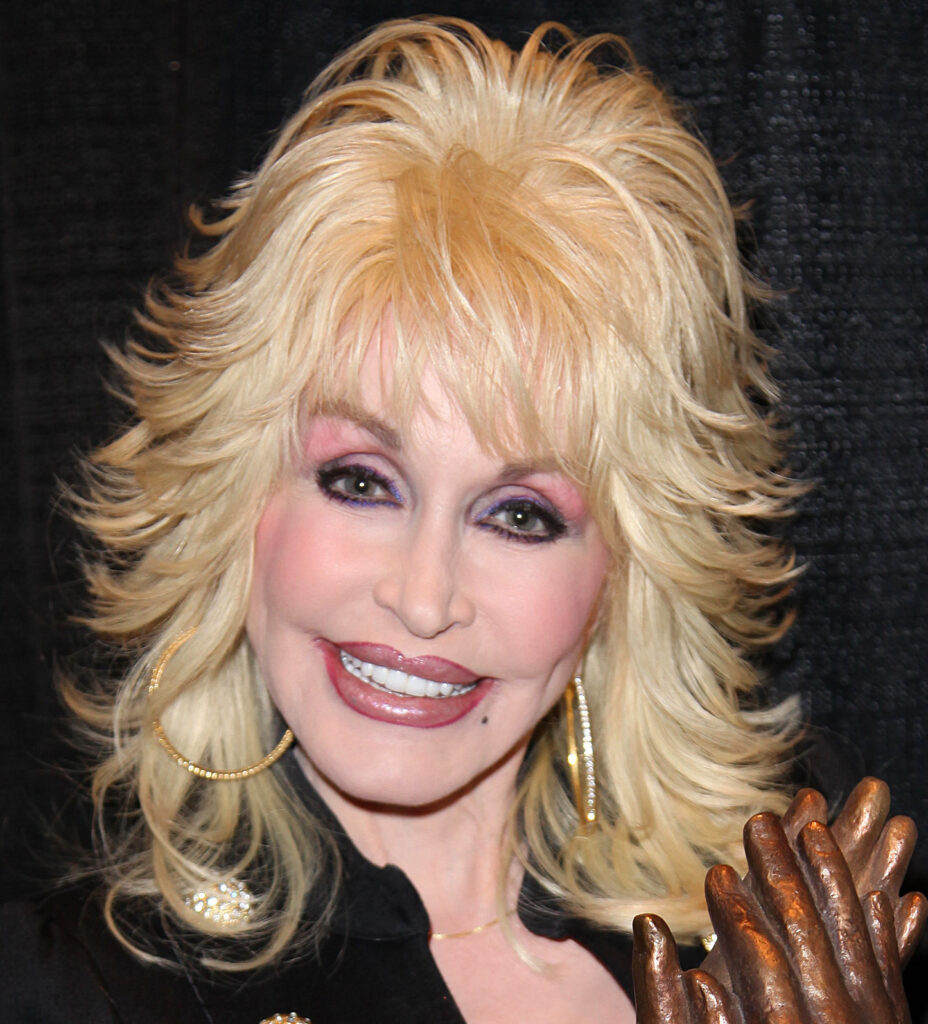
Dolly Parton died on August 25, 2026. She was 80. Her publicist said she died at Vanderbilt-Ingram Cancer Center in Nashville after a brief battle with cancer; the specific type of cancer was not publicly disclosed.
It is accurate to say that America lost one of the greatest country singers of all time. It is also far too small a description. Dolly had long since become larger than a musical genre, a collection of hits, or an instantly recognizable stage persona. She was part of the American cultural landscape: one of the rare public figures loved across generations, regions, political identities, and life experiences.
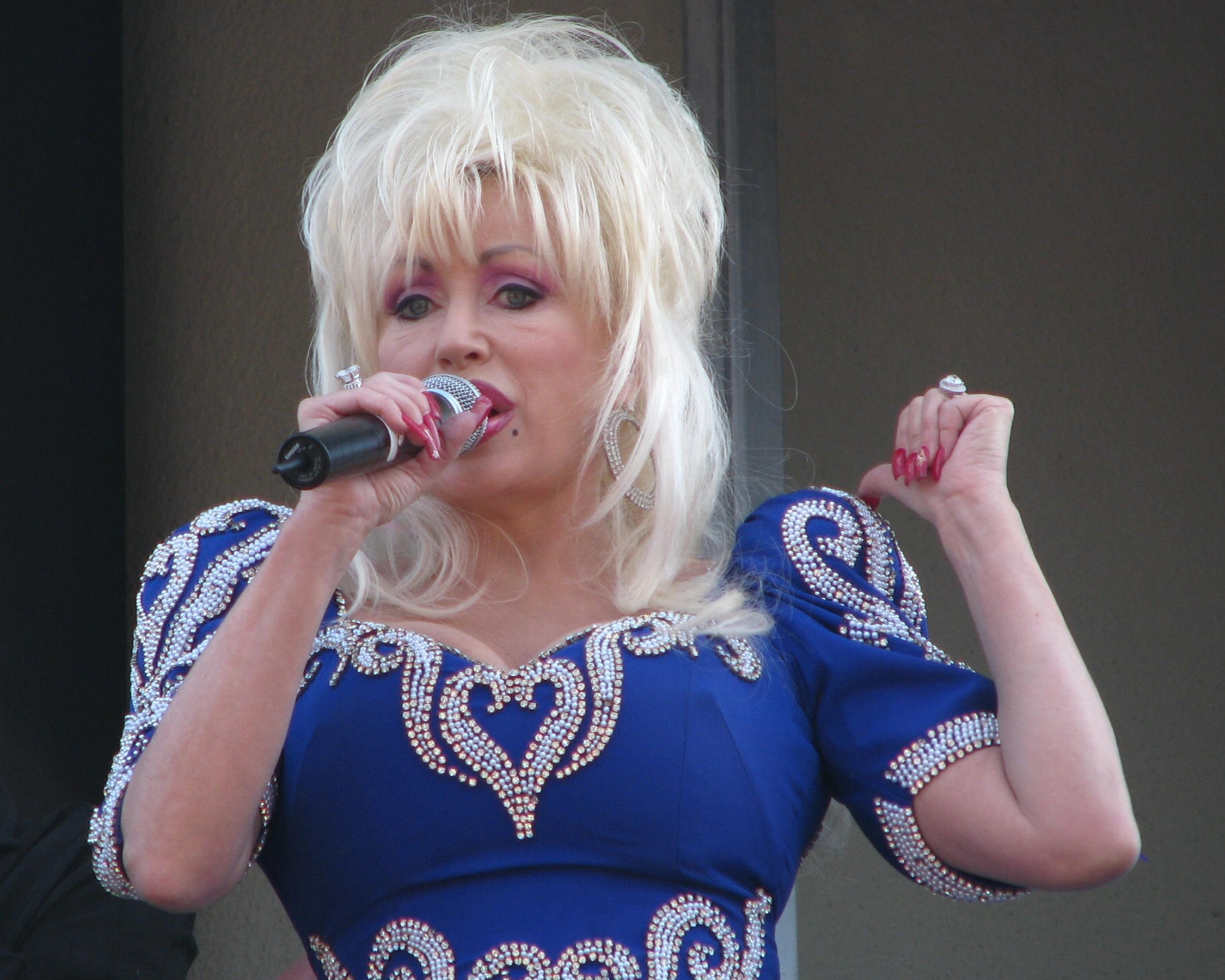
People knew her through Jolene, Coat of Many Colors, 9 to 5, and I Will Always Love You. They recognized the enormous blond hair, rhinestones, Southern accent, bright laugh, and jokes about her own appearance. Yet behind that deliberate theatricality stood a serious songwriter, a businesswoman with a firm sense of ownership, and a philanthropist who turned private family memory into help for millions of strangers.
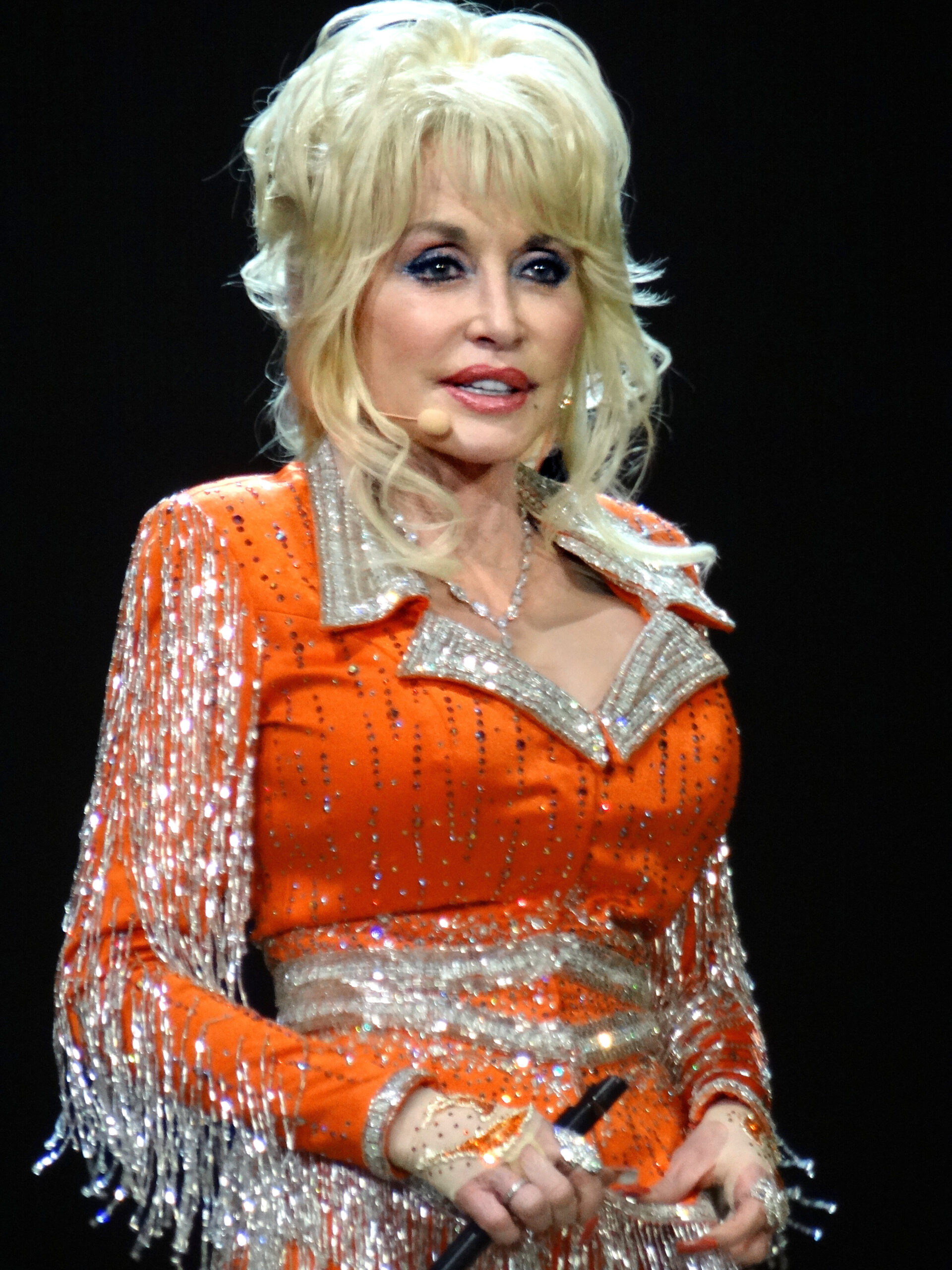
From Appalachia into the national imagination
Dolly Rebecca Parton was born on January 19, 1946, in rural Tennessee, one of twelve children. Money was scarce, but music, church, family stories, and Appalachia were everywhere. That world later became the foundation of both her songwriting and her public identity.
American culture is deeply attached to the self-made story: the person who rises from almost nothing and builds a life through talent and persistence. Dolly became one of its most vivid examples because she never tried to erase her origin, lose her accent, or pretend poverty had merely been an inconvenient opening chapter. She carried Appalachia into Nashville, Hollywood, and concert halls around the world. Family, work, faith, the shame of poverty, maternal love, women’s vulnerability, and human dignity stayed in her songs even after she became an international star.
This was not a romantic myth about deprivation. Dolly understood the difference between a pretty story about “humble beginnings” and a childhood in which a family has too little money and too few choices. But she also refused to describe poor rural people only through pity. In her world they could be poor and still be proud, funny, gifted, and worthy of love.
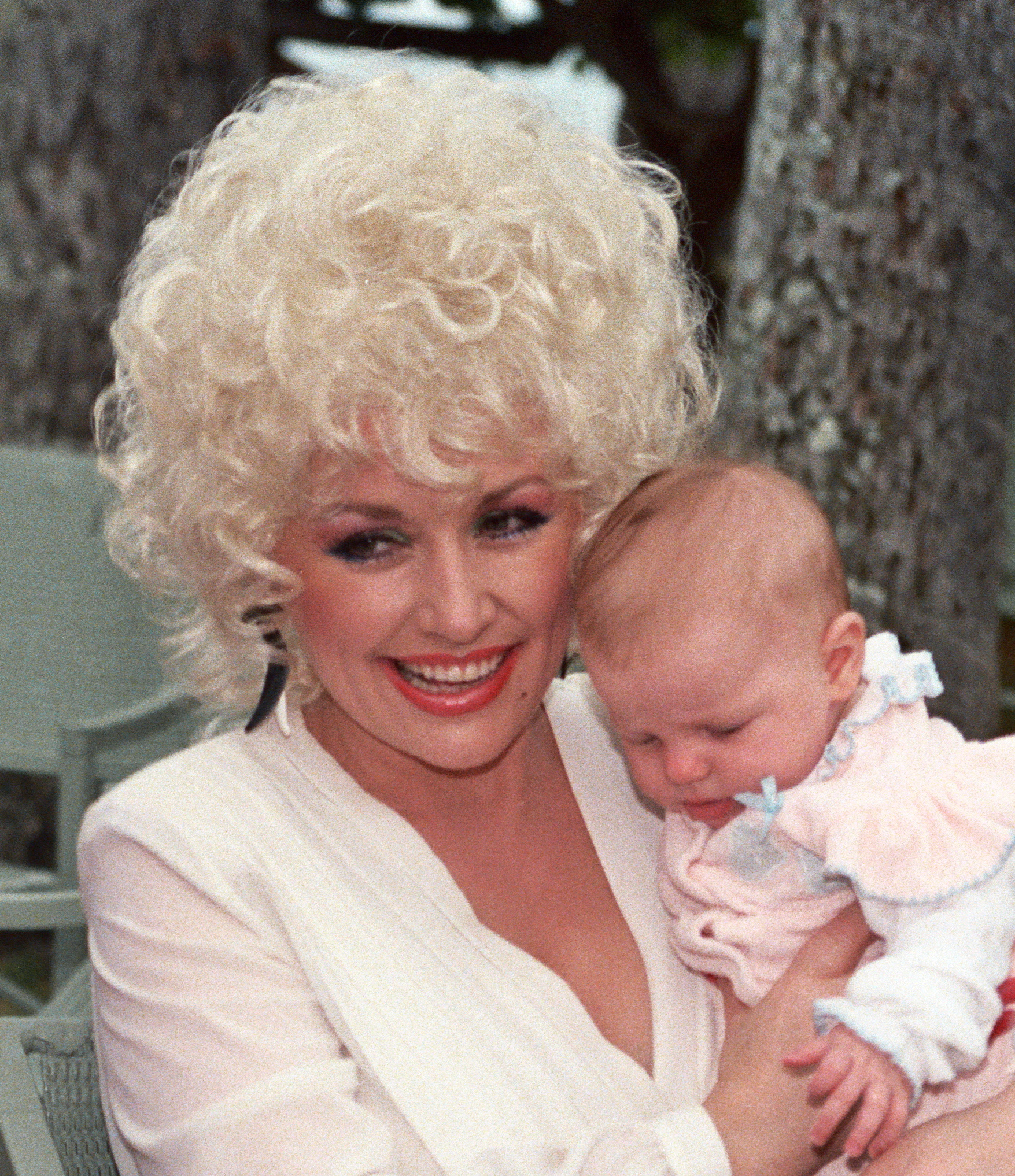
She owned her own story
Dolly’s stage image sometimes obscured the central fact of her career: she was first and foremost a writer. She wrote thousands of songs and understood early that ownership of one’s work could matter as much as the chance to stand on a stage and perform it.
Jolene is a compact dramatic scene in which a woman does not threaten a rival but asks her not to destroy a love. Coat of Many Colors turns poverty and childhood shame into a story about maternal care and dignity. 9 to 5 became an anthem for working women. I Will Always Love You, written as a farewell to professional partner Porter Wagoner, found a second global life through Whitney Houston’s recording.
The story involving Elvis Presley reveals much about Parton’s character. His manager wanted a share of the publishing rights to I Will Always Love You, and Dolly said no, even though an Elvis recording might have made the song even more famous. For a woman in a conservative and commercially unforgiving industry, that was not vanity. It was a declaration: this is my song, my labor, and my right to decide what happens to it.
9 to 5: a comedy about an unfunny reality
The film 9 to 5, starring Parton alongside Jane Fonda and Lily Tomlin, made her part of American film memory as well as music history. Three office workers rebel against a boss who humiliates women and abuses his authority. In 1980 it was a mainstream comedy; today it is easy to recognize a larger conversation about sexism, labor, inequality, and the right to dignity at work.
The title song outlived the movie and became a near-universal shorthand for everyday exhaustion: the alarm clock, the commute, the boss, the bills, and the sense that someone else owns your time. Dolly’s gift was to begin with a specific life and reveal something widely shared inside it. That is why her songs reached people who had never visited Tennessee or attended a country concert.
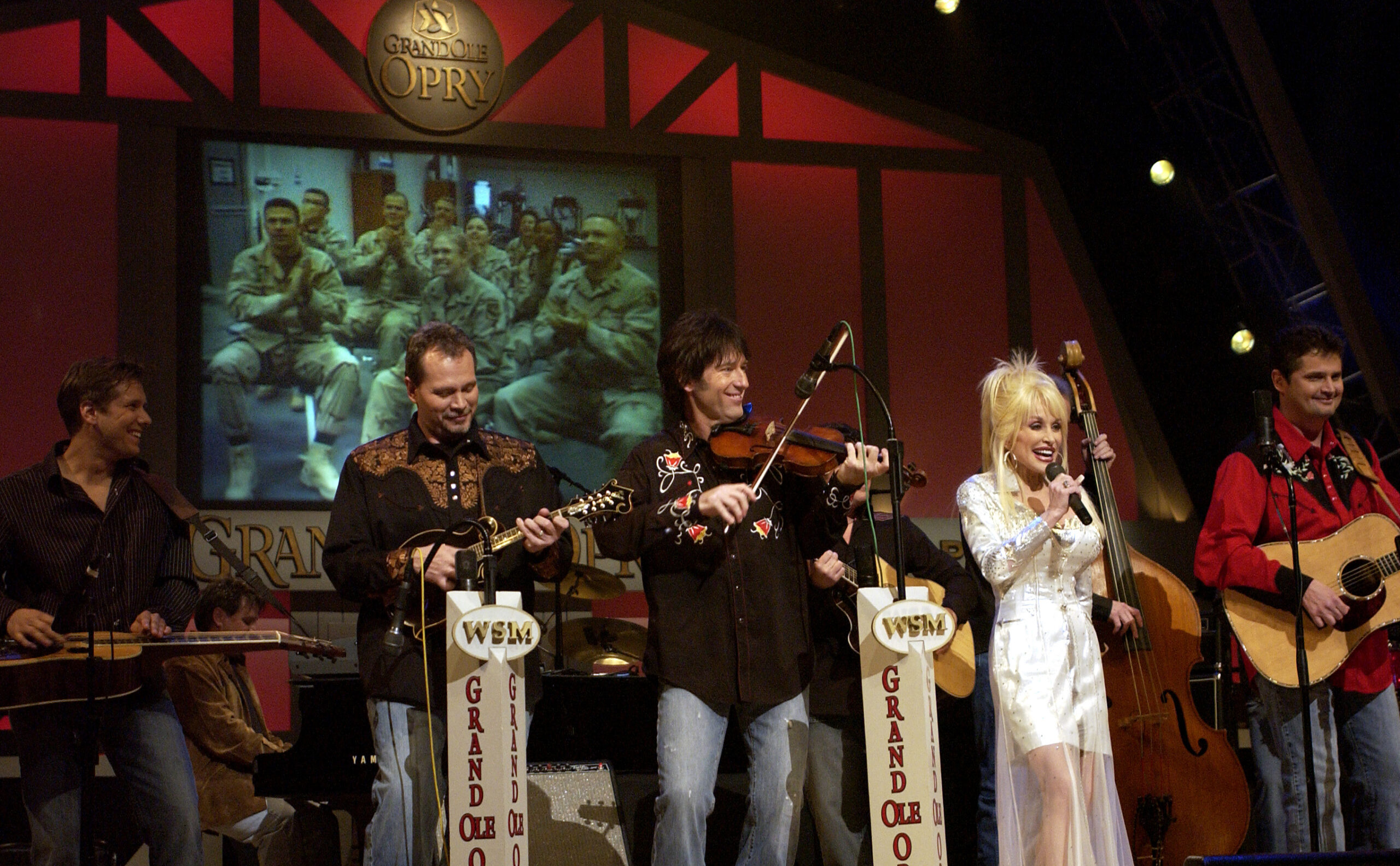
What to listen to
If you are just discovering Dolly Parton’s music, start with four essential songs: Jolene, Coat of Many Colors, I Will Always Love You, and 9 to 5 — these links lead to official recordings on YouTube. Broader selections are available on Spotify, Apple Music, and YouTube Music.
A business that did not abandon home
Parton was not only a singer and actor. She built a substantial business ecosystem around her name. Its most visible symbol is Dollywood, the theme park in East Tennessee tied to the region where she grew up.
The important story is more interesting than a simple tale of wealth. Dolly did not merely leave a poor region, become famous, and remember her roots on ceremonial occasions. She made the region part of her brand and brought jobs, tourism, investment, and attention back home. It was a business, not a charity performance, but it was a business that did not require her to disown her past.
The Book Lady: memory turned into action
Dolly Parton’s largest legacy may not appear on a music chart. Her Imagination Library began in 1995 and mails free books to young children. According to the program’s official 2025 Year in Review, it had gifted 304,539,509 books since its founding.
The idea was connected to her father, who could not read. Dolly said that his pride in calling her the Book Lady meant more than her fame. This may be one of the clearest keys to understanding her: she was not simply a celebrity who “gave back.” She took a source of pain inside her own family and turned it into a concrete opportunity for other families.
In 2020, Parton donated $1 million to Vanderbilt University Medical Center for COVID-19 research. Some of the work supported by that gift was connected to research that contributed to the Moderna vaccine. It is important not to replace the truth with a prettier myth and claim that one celebrity “paid for the vaccine.” Her contribution was nevertheless real—and characteristic of her public life: fewer grand declarations, more concrete action.
Why LGBTQ+ audiences embraced her
At first glance, Dolly belonged to a world often imagined as conservative: the rural South, country music, Christianity, and the language of family. That is precisely why her openness and message of acceptance carried unusual weight.
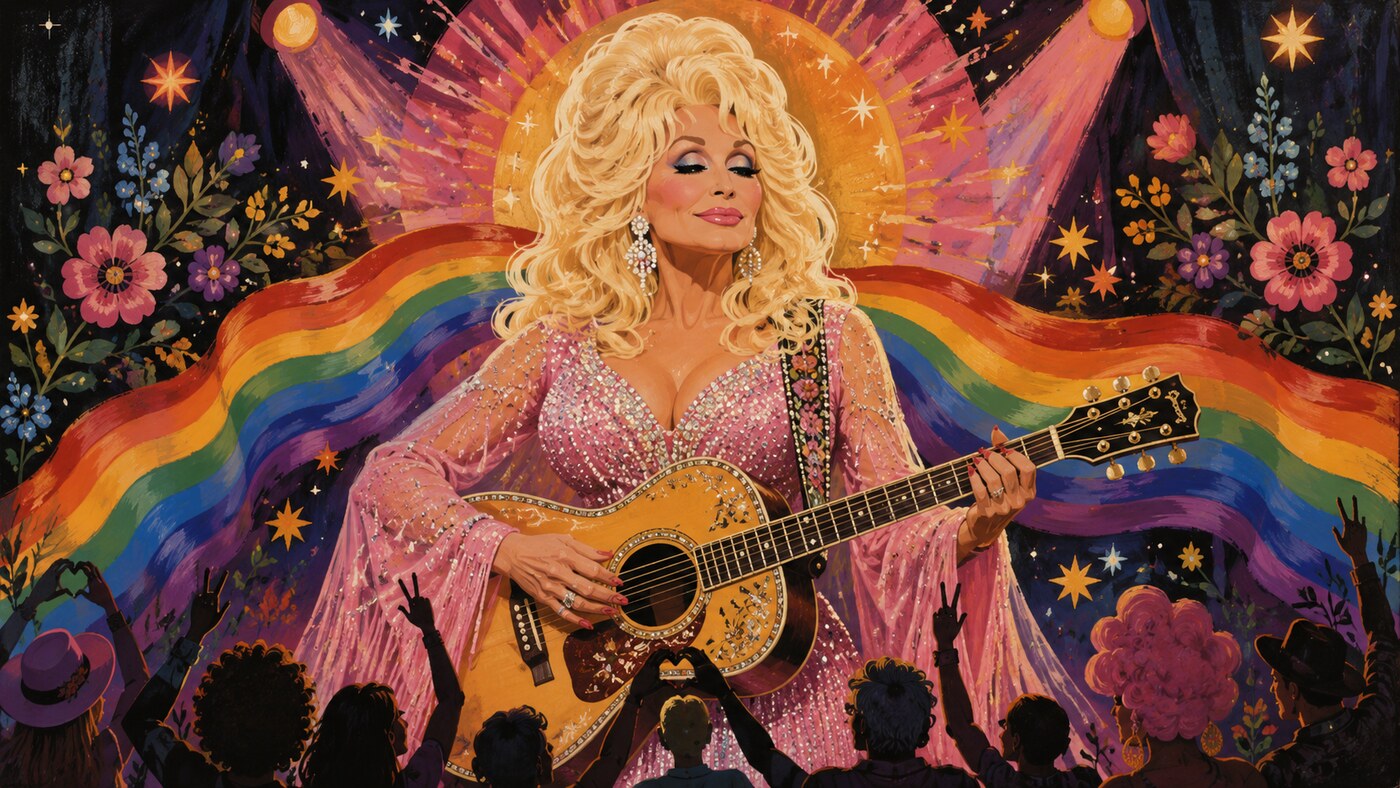
LGBTQ+ people and drag performers recognized more than exaggerated femininity in her. They saw the freedom to be “too much”: too bright, too glittering, too funny, too artificial—and still completely real. Dolly never hid the fact that her image was constructed. She turned that construction into a form of self-possession: I decide how I look, how I sound, and how much space I occupy.
She avoided becoming a partisan politician, but she repeatedly spoke in the language of love, acceptance, and human dignity. As a result, she could be loved by conservative country fans, gay and transgender people, drag queens, and people who would agree on almost nothing in a political argument. In a deeply divided America, that ability to connect different audiences became part of her cultural meaning.
Why this story matters to me
I came to the United States as an adult, so I continue to learn America not only through laws, elections, and daily life, but also through the people the country recognizes as its own. Cultural figures can sometimes explain a nation more clearly than official symbols.
Dolly Parton’s life does not prove that the American dream always works. Millions of talented people never receive her opportunities, and poverty does not become less brutal simply because one person escaped it. Her story demonstrates something different and still important: success does not have to require shame about one’s origin, the loss of self-mockery, or indifference toward those who were given fewer chances.
Her power was the ability to join opposites
Dolly brought together things that are usually placed in separate corners: the religious South and LGBTQ+ audiences, folk simplicity and major business, obvious artificiality and unusual sincerity, self-deprecating humor and sharp commercial judgment, the memory of poverty and the ability to enjoy wealth without performative guilt.
She was real and theatrical. Kind and firm about ownership. Provincial and global. Funny and deep. Not flawless—living people should not have to be flawless in order to leave good behind.
After Dolly, there are songs, films, Dollywood, hundreds of millions of children’s books, and millions of personal memories. There is also an example that is harder to measure: it is possible to build a public image for an entire lifetime without allowing that image to swallow the person inside.
That is why I Will Always Love You now sounds like more than a song title. It feels almost like a ready-made collective farewell.